Did you know it could take at least 15 times for a child to try a new food?
Children need food to grow, learn and play. However, it can be hard to get children to try foods they aren’t used to eating. Building healthy eating habits for children while they’re young can help them develop positive relationships with food.
Here are some ways that you can support your child in trying new foods:
1. Make mealtime family time
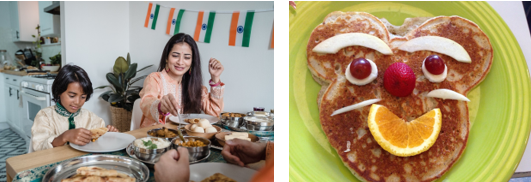
Children learn a lot from watching the world around them, including their parents, caregivers, older siblings and friends. When children eat a meal at the table with others, children are watching to see what others are eating and how they are eating. Role modeling can help if your child struggles with eating a variety of foods. If a child sees that others around them are eating and enjoying certain foods, the child becomes more familiar with them. This may help them become more comfortable with trying new foods. Removing distractions such as TVs, phones and electronics also helps everyone focus on the meal and each other.

2. The Feeding Relationship
The interactions between a parent and child during mealtimes is called the feeding relationship.
In the feeding relationship, the parents’ role is to decide what food will be offered, when food will be offered, and where food will be offered.
The child’s role is to decide if they will eat and how much they will eat.

A child’s appetite can change from day to day. By letting your child decide how much food they eat, you are helping them listen to when they are hungry or full. Try to stay away from bribing or pressuring your child to eat more food. This may have the opposite effect and could make your child more anxious at meals.
Creating a positive feeding relationship can help your child:
· Develop positive attitudes about food.
· Eat a variety of nutritious foods.
· Recognize when they are hungry or full.
3. Tips for introducing new foods to children
Remember that children may not like new foods right away. Here are some tips to help you introduce new foods to your children:
· Prepare new foods in different ways. For example, try different cooking methods like steaming, baking or grilling. You can also cut foods into different shapes and sizes and offer them alongside familiar foods.
· Serve the same food to the whole family. Don’t make separate meals for your child. This will help them learn to eat a variety of foods and puts less pressure on you to make more than one meal.
· Plan regular meal and snack times so that children know when to expect food. If your child chooses not to eat at a certain meal, that’s okay. Let them know that they can eat at the next meal or snack time.
For older children:
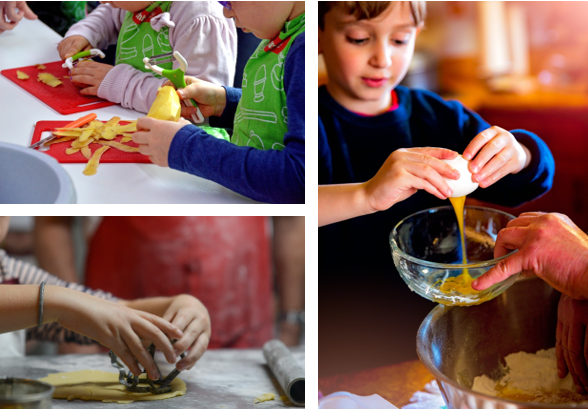
· Involve them in grocery shopping and making meals. Give them tasks like suggesting meal ideas, washing vegetables or mixing ingredients. Children maybe more likely to try foods they help make.
· Let children serve themselves. Teach them to takes mall amounts first, then take more if they are still hungry. This helps children listen to when they are hungry or full. You can still offer new foods to your child but let them decide whether they put it on their plate.
If you still have concerns after trying these ideas, reach out to a registered dietitian or your healthcare provider for more support.
Check out these resources for more information on healthy eating for children!
Information and handouts for parents:
Classes
For more resources, follow us on social media. Connect with us today!


477 3rd St SE,
Medicine Hat, AB
T1A 0G8
6-440 2nd Street West
Brooks, AB

admin@bfpa.ca

